

Investing in a Reliable Water Supply for California
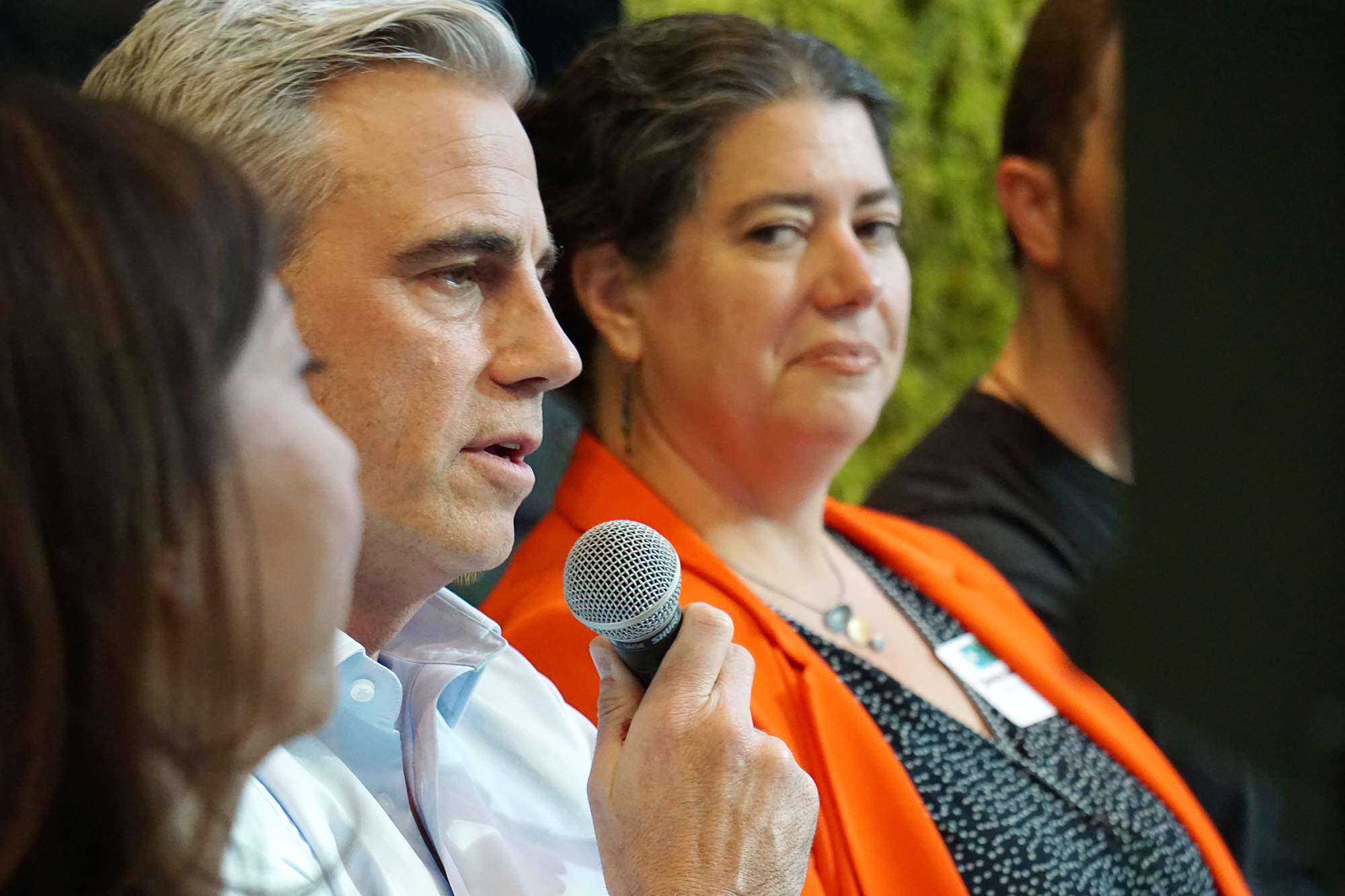
Last week, WestWater Research brought together water sector leaders, entrepreneurs, and investors at the 9Zero Climate Innovation Hub in San Francisco for an evening of candid conversation on California’s water future. The panel covered a wide range of topics, from emerging supply technologies to the financing challenges and behavioral barriers standing in the way of progress.
Diversification Is No Longer Optional
A clear theme across the discussion was that single-source water dependency has become an unacceptable risk. Agencies and utilities are increasingly pursuing diversified supply portfolios, drawing on a growing toolkit that includes potable reuse, managed aquifer recharge, leak detection, water transfers and exchanges, and access to previously inaccessible groundwater sources. Panelists noted that planning requirements are becoming more robust and that community and agency attention to supply resilience is growing.
Emerging Technologies Are Maturing
The panel highlighted meaningful progress in both deep ocean desalination and on-site building water reuse. Modular, scalable approaches to new supply were a recurring point of interest, with panelists noting that decentralized solutions are increasingly viable alternatives to large centralized infrastructure, particularly as demand projections have consistently been overestimated by utilities.
Barriers Remain Significant
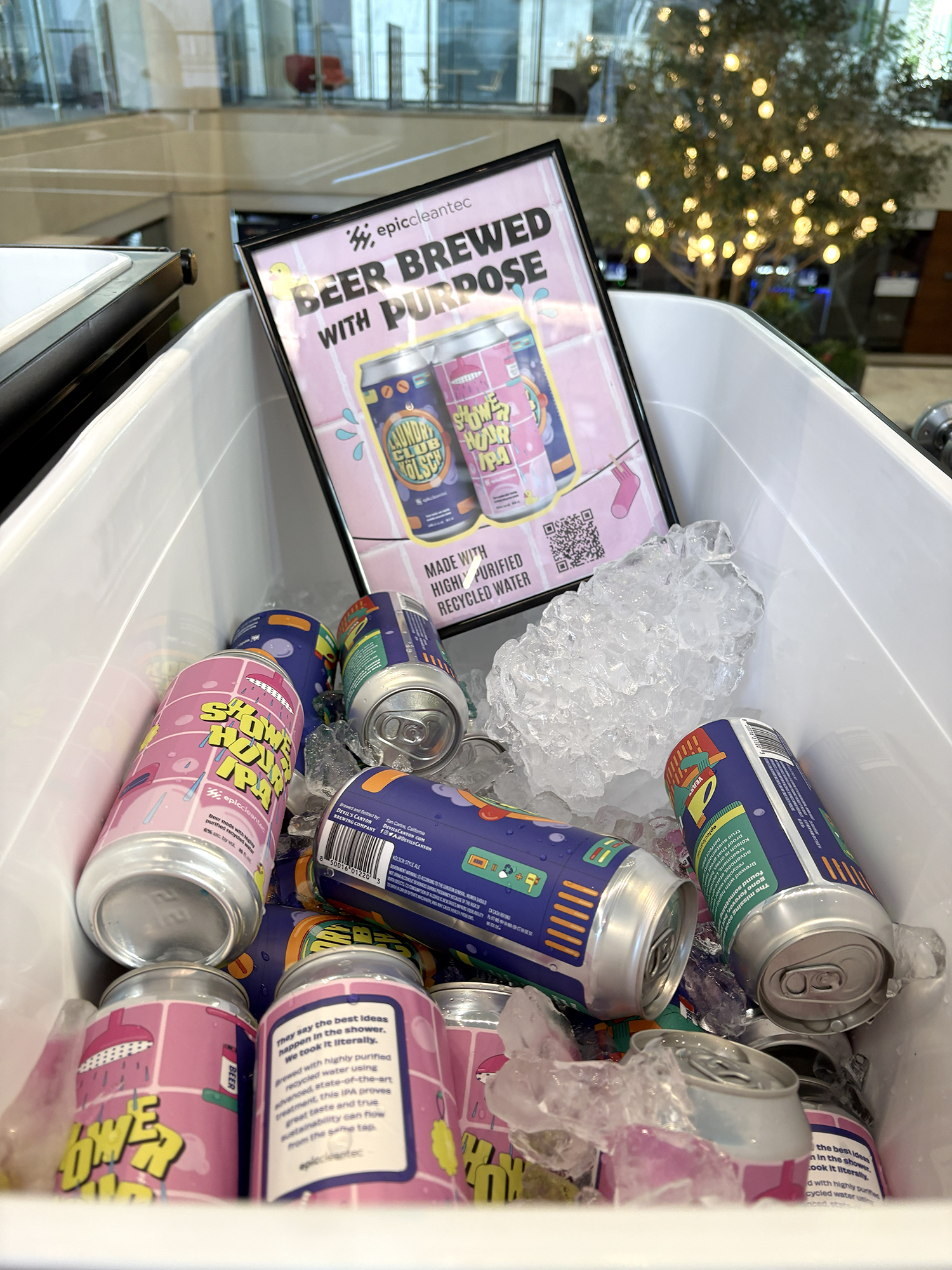
Despite the momentum, the panel was frank about the obstacles ahead. Water is underpriced in nearly every market, which blunts the economic case for innovation. Regulatory structures tend to reward caution over creativity. Political incentives often push water infrastructure investment to the back of the line. And public perception, particularly around water reuse, remains a meaningful challenge that the sector has not yet fully solved. Panelists agreed that education, branding, and honest communication about supply risk will be essential to shifting attitudes.
Financing the Gap
Capital cost was identified as the primary barrier to scaling new water supply solutions. The discussion explored a range of financing mechanisms, from water-as-a-service models that shift capital expenditure to operating expenditure, to public-private partnerships, federal loan programs, and competitive grant funding. Panelists noted that while non-dilutive funding is useful for reducing the cost of capital, no single mechanism is sufficient on its own. There was broad agreement that as water becomes a more visible constraint on economic growth, investment attention will follow.
The Path Forward
The forum closed on a note of cautious optimism. The technologies exist, the financing tools are evolving, and awareness of California’s supply challenges is growing. What is needed now is alignment: among regulators, investors, utilities, and the public. Panelists pointed to stakeholder engagement, honest public education, and smarter policy design as the levers most likely to move the needle.
WestWater Research thanks our panelists: Newsha Ajami of the Stanford Doerr School of Sustainability, Jonathan Haswell of OceanWell, Christy Kennedy of Woodard and Curran, and Aaron Tartakovsky of Epic Cleantec. We also thank everyone who joined us for the evening and look forward to continuing this conversation.
Click here to subscribe to our Water Market Insider and be the first to know when our next forum in your area.
How WestWater Can Help
The challenges discussed at the forum, alternative water supply, project financing, market pricing, and regulatory navigation, are exactly where WestWater Research works every day. We provide economic analysis, market research, and transaction advisory services that help water agencies, utilities, investors, and developers make informed decisions in an increasingly complex water landscape.
If the conversation last week raised questions for your organization, we would welcome the chance to talk. Contact us to learn more about how WestWater can support your water supply goals.