

GMDA 2026 Summer Conference Summary
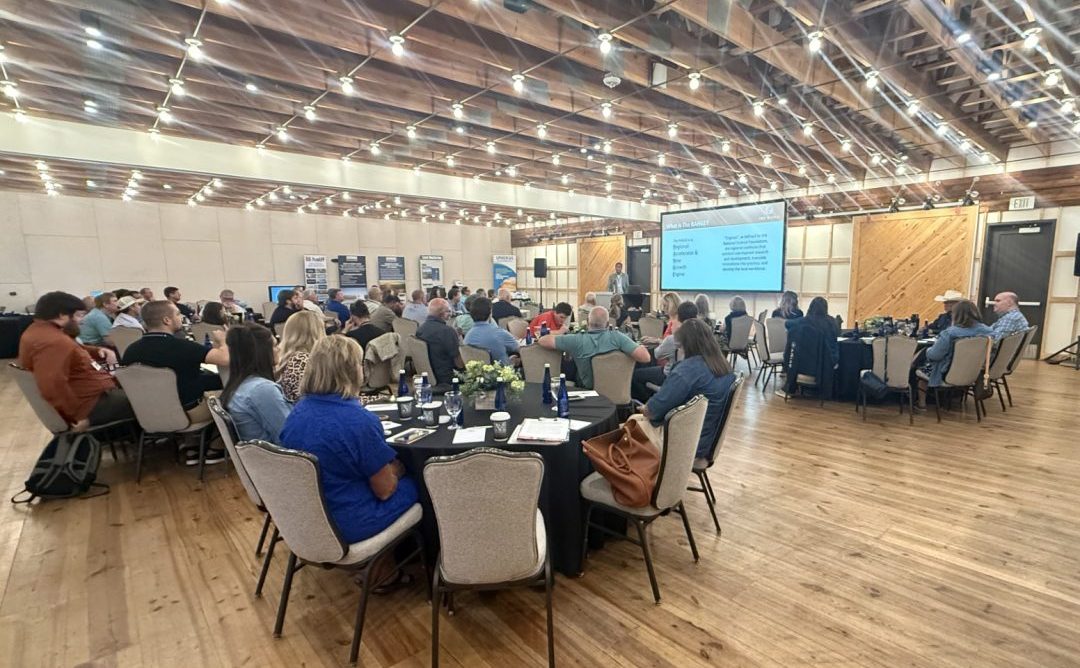
Last week, WestWater Research joined industry leaders, water managers, nonprofits, conservation groups, and policymakers at the Groundwater Management District Association’s (GMDA) 2026 summer conference in Lubbock, Texas.
The 3-day event covered a number of topics that management districts across the West are facing including enhanced aquifer monitoring, data center demands, effective target setting, policy trends, conservation activities, education strategy, and economic development. Discussions highlighted a few key themes:
- Better Data, Better Outcomes: Improvements in technology to measure changes in aquifer characteristics, recharge rates, and production are creating a better-informed public, setting targets and making changes with confidence and accuracy.
- Evolving Policy: Water policy is facing a host of changes across all levels of government. Federal activity is moving to improve regulatory efficiency and unlock new funding, states are investing in water supplies and discussing management structures, and regional governments are responding to localized changes in demand.
- Strategic Conservation: As groundwater supplies become strained, people are looking to enhanced conservation measures to address accessory water needs. Rainwater capture, reuse, land management, aquifer recharge, and irrigation efficiency are just a few examples of how conservation is being advanced in dry regions.
- Era of the Data Center: Data centers have become a focal point for much of the country, especially water managers in the West. They are serving as the impetus for renewed conversations on policy, supply strategy, and balancing development with the future.
WestWater Analyst Rohan Kansagra presented recent updates to water market activity across Western states. He shared 2025 market trends and some forward-looking projections based on current drivers. Winter snowfall, supply development, new funding, and court decisions are all expected to affect price levels and stimulate transaction activity. Rohan additionally discussed demand management programs and how entities across the West are using them to reduce pressure on water systems, reallocate resources, and manage supplies during drought.
With a rapidly shifting water landscape driven by regulatory, environmental, and growth factors, it is more important than ever to leverage a suite of solutions to manage water issues. WestWater Research’s history of working with management entities to design demand management programs, assess the economic benefits of policy decisions, and guide strategic planning can provide a key advantage.