
There has been widespread documentation of changes in the homeowners insurance industry in response to climate change. In areas that have elevated risk due to climate disasters, such as floods and wildfires, insurance premiums and non-renewal rates are roughly 80% higher because its more expensive for insurance companies to operate. Climate related disasters have become more frequent and more costly. Name-brand insurance companies who provide policies often pass this risk to the reinsurance industry, and reinsurance costs have doubled over the period 2017-2023.
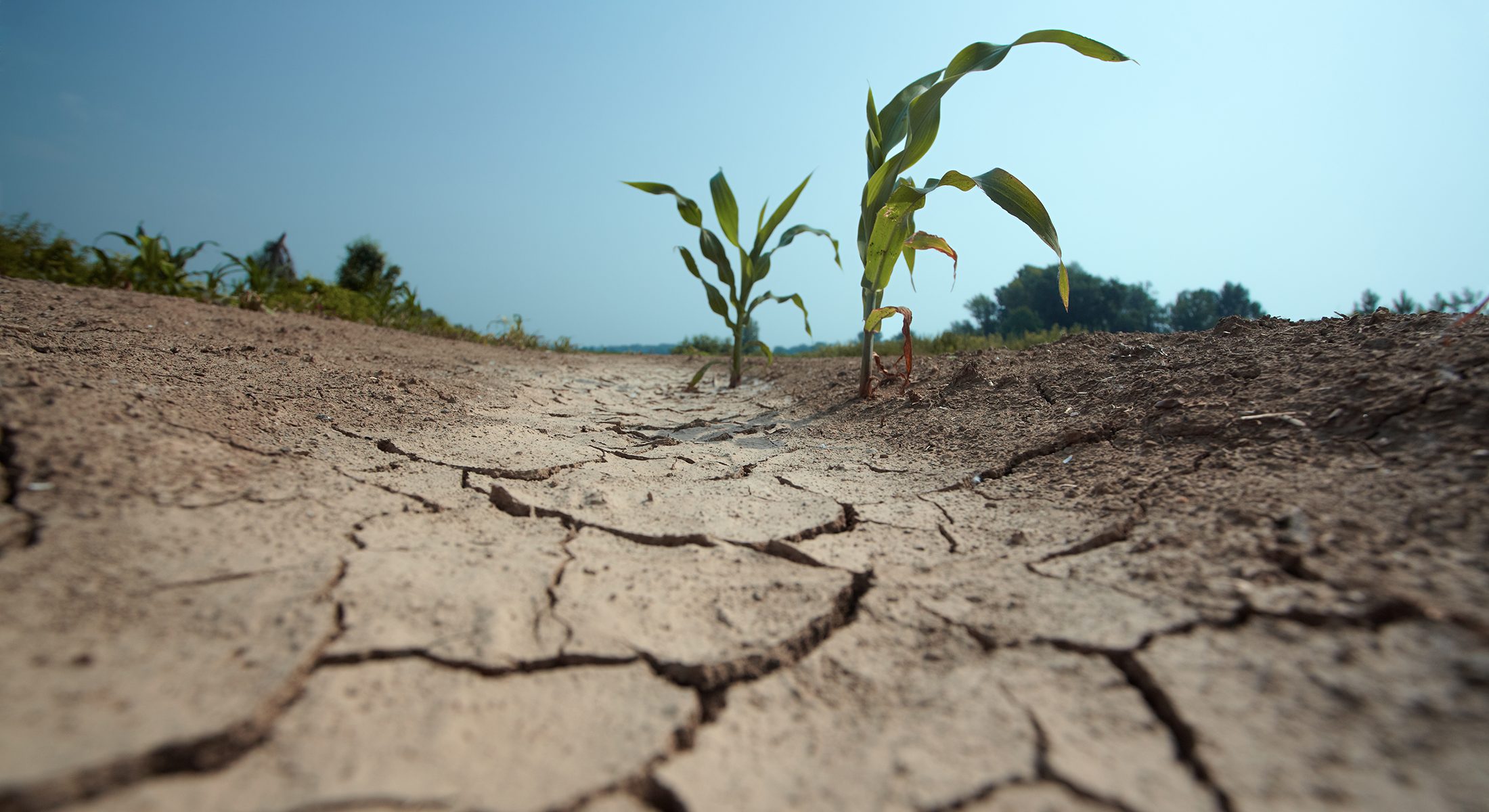
Droughts and water supply are not the top climate change risks that home insurance companies are concerned about, but they are certainly a component of business financial risk and insurance, especially for those businesses or enterprises that are heavily reliant on a reliable water supply. Part of this is structural: standard homeowners’ policies typically exclude drought-driven soil damage, like foundation cracks, as a maintenance issue rather than a covered peril. And unlike a single catastrophic wildfire or hurricane, drought is a slower, chronic risk that’s harder to underwrite, so the financial response has developed largely outside of homeowners insurance:
- The agriculture industry is very susceptible to droughts and the U.S. Department of Agriculture created a crop insurance program in the 1930s following the Dust Bowl. It started at a small and experimental scale and then grew significantly in 1980. The USDA offers multiple programs to help with drought recovery. This Federal program is currently solvent backed by Federal appropriations, but policies are on an unsustainable path for the future due to higher payouts.
- Energy companies are heavily reliant upon robust and reliable water supplies, particularly hydropower. Creative ideas are emerging from research and industry on how to provide financial security to industries directly impacted by water supply reductions.
- Water utilities are also directly impacted by drought conditions because water sales revenue can be dramatically affected by lack of water supply and implementation of drought restrictions on customers. Federal EPA guidance is not focused on insurance programs but instead points to utility actions to reduce demand, enhance supplies, and improve communication. While insurance premiums may not be responding to drought risk, other financial indicators like bond ratings are taking note of long-term water supply risks.
- Florida shows what happens on the acute end of this spectrum, when a peril is severe enough that insurers stop pricing it at all. After repeated major hurricanes and mounting litigation costs drove nine private insurers into insolvency and pushed others out of the state, homeowners were forced onto Citizens Property Insurance Corporation, the state’s insurer of last resort, which briefly became Florida’s largest home insurer at 1.4 million policies. Reforms and a depopulation program have since shifted policies back to private carriers, but the episode illustrates the alternative to a market response: a government backstop. Drought hasn’t produced anything comparable because no single event forces the market’s hand the way a hurricane season does.
The insurance response to water supply risk and droughts is still in its infancy, but a critical aspect is truly understanding local water supply risk for businesses and municipal utilities. Risk is influenced by multiple factors – climate, local regulation, market potential for water transfers, and supply-demand metrics. WestWater has an established track-record helping both companies and municipalities evaluate their specific water supply risk. Insurance may someday offer products designed to protect against water supply risk, until then its incumbent upon both businesses and communities to evaluate the practical and financial impacts of drought and long-term water supply risks.

“The Water Current” is a monthly news digest that provides brief summaries of interesting and timely news stories related to water economics and water markets in the Western United States. Our team tracks new developments in water policy, management, and conflicts, sharing articles relevant to their work and services.