
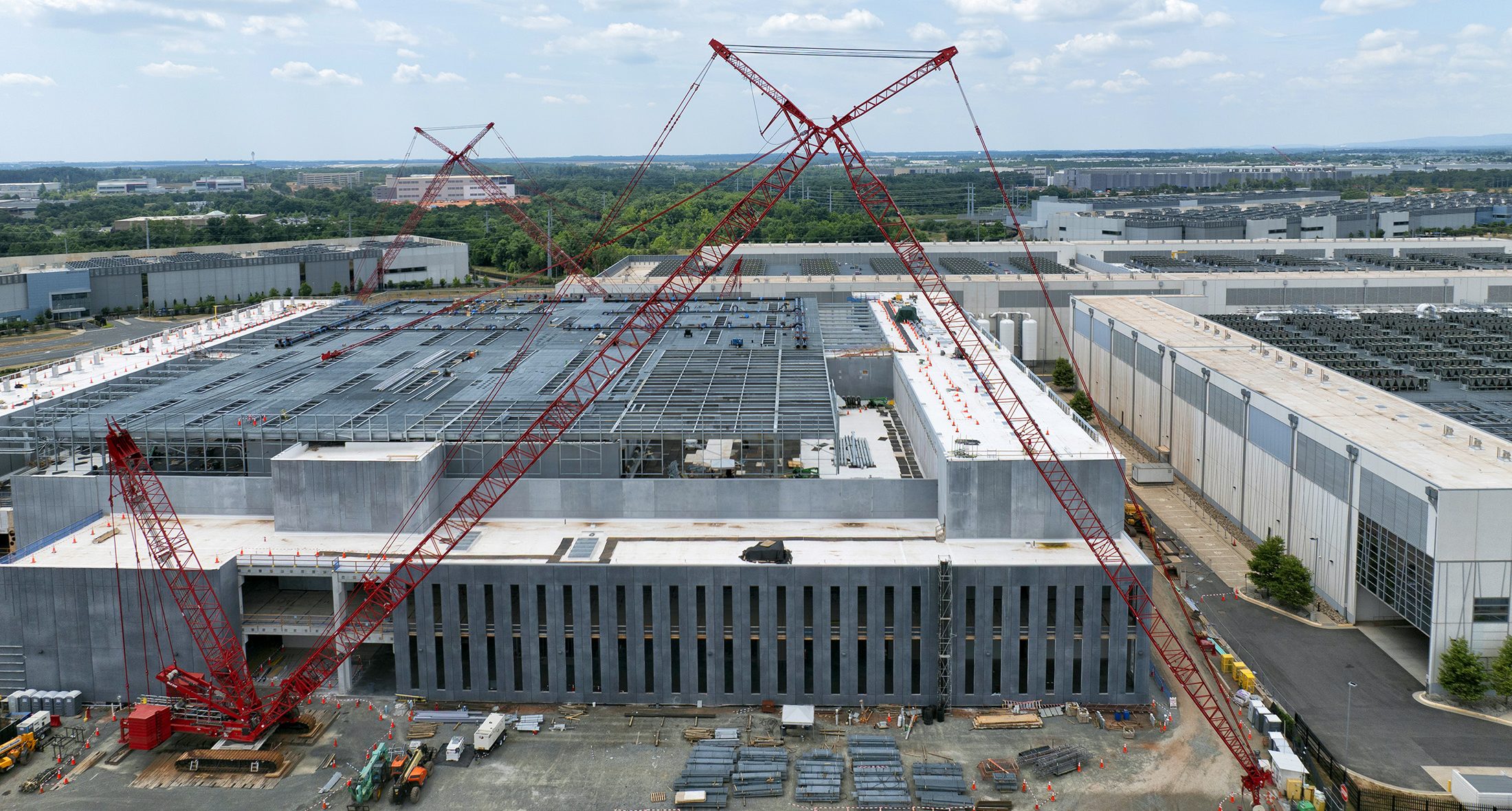
Data center development has been met with an uneven slate of regulatory activity across the West, often differing between states, counties and cities. Yet greater regulation of data centers has taken center stage in two regions with historically divergent management philosophies. In recent weeks Texas and California, the country’s largest economies, have passed new rules outlining a stricter approach to evaluating data center water use and permitting requirements. California has passed rules requiring data centers across the state to disclose their water use or face penalties, develop a water supply and water scarcity plan to receive City and County approval and even fund all infrastructure upgrades related to their required water use. Meanwhile, Governor Abbott issued a statewide moratorium on data center permitting until the Electric Reliability Council of Texas (ERCOT) and TWDB complete audits on the impact to water and energy resources.
Both states are contemplating removal of some of the incentives that have supported development. Governor Abbot has stated that data centers should not use water required by local communities and indicated that he may try to remove their current financial incentives in the next legislative session. California has removed data centers’ blanket exemption from the California Environmental Quality Act (CEQA).
These changes are indicative of evolving sentiments at the state level. Tightening requirements combined with sudden regulatory changes have injected uncertainty into the development of billions of dollars’ worth of assets. Increasingly, data center developers will need to demonstrate they aren’t negatively impacting utility costs and natural resources for residents and amplify their focus on providing enduring benefits to the communities where they locate. To reliably develop projects, it will be imperative to have a complete understanding of what is required, paired with an effective long-term water strategy.
WestWater can help both data center developers and public utilities understand the water demands of proposed projects and evaluate the best path forward. For developers, that means quantifying water needs and identifying viable supply solutions before a site is chosen, in addition to developing a strategy for integrating community benefits into their water plans. For governments and municipal utilities, we help determine how new industrial water users like data centers can bring lasting value to the public, so that any arrangement delivers real benefit to both communities and the data facilities of the future.

“The Water Current” is a monthly news digest that provides brief summaries of interesting and timely news stories related to water economics and water markets in the Western United States. Our team tracks new developments in water policy, management, and conflicts, sharing articles relevant to their work and services.
