

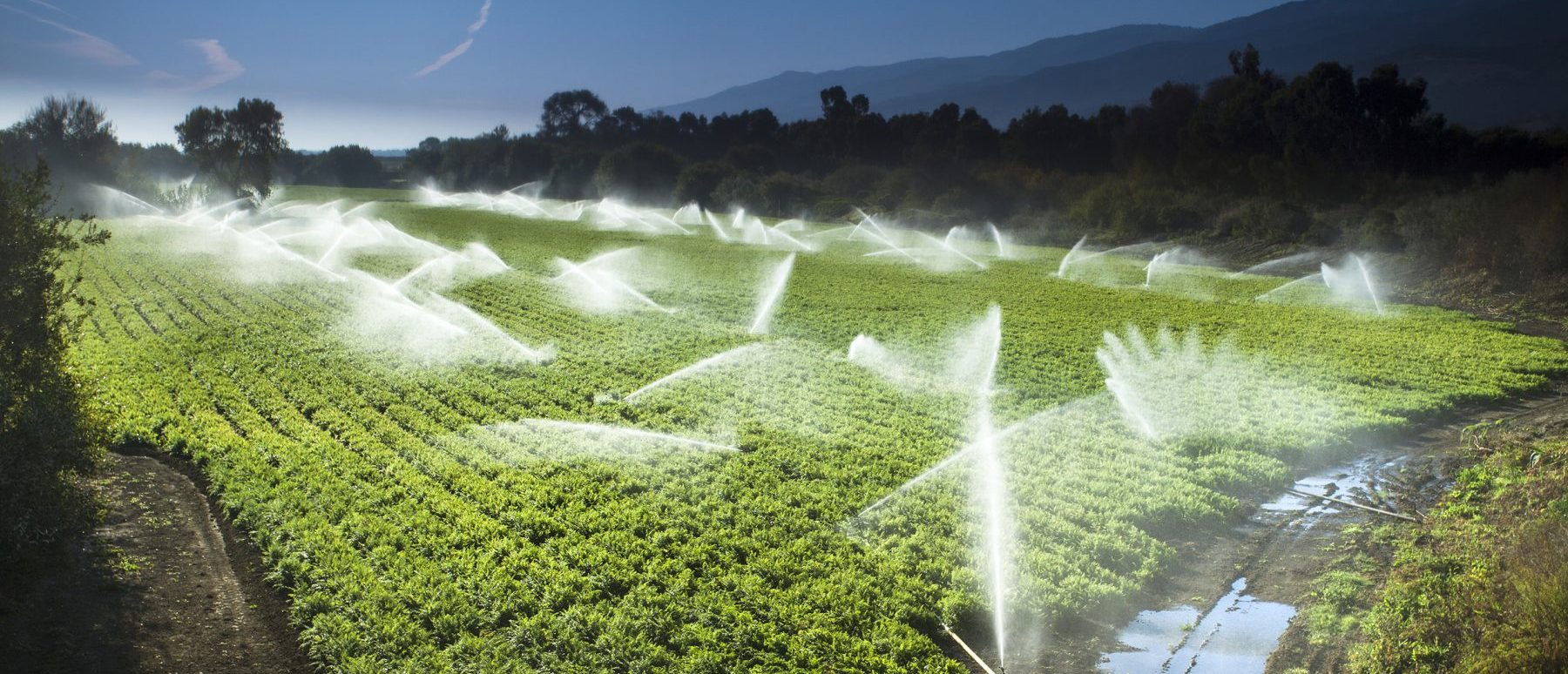
Across the U.S., having access to irrigation water supplies provides growers with additional options for crop selection and tools to maintain productivity during droughts. The latest USDA Land Values report shows that the improved crop production and versatility that come with irrigation attract a premium price for agricultural lands.
This is true across the United States, with a 25% price premium seen in the southeast region and a 360% average premium seen in the western region. California sees the highest dollar premium, with an average value increase of $13,350 per acre for irrigated lands over drylands.
Water stress plays an important role in the value of irrigated lands. Short-term stress, such as droughts, can cause price premiums to increase while long-term stress can shift interest (and market demand) to areas with better water reliability. Due to water management challenges across much of the Western U.S., irrigated lands have been shifting to eastern regions of the U.S.
There are also shifts northward, with strong interest in irrigated land development in Alberta, Canada. Agriculture has long been the nation’s largest consumptive water use and will remain the centerpiece on the water management table, with a heavy influence on the market value of water supplies in many regions.

“The Water Current” is a monthly news digest that provides brief summaries of interesting and timely news stories related to water economics and water markets in the Western United States. Our team tracks new developments in water policy, management, and conflicts, sharing articles relevant to their work and services.