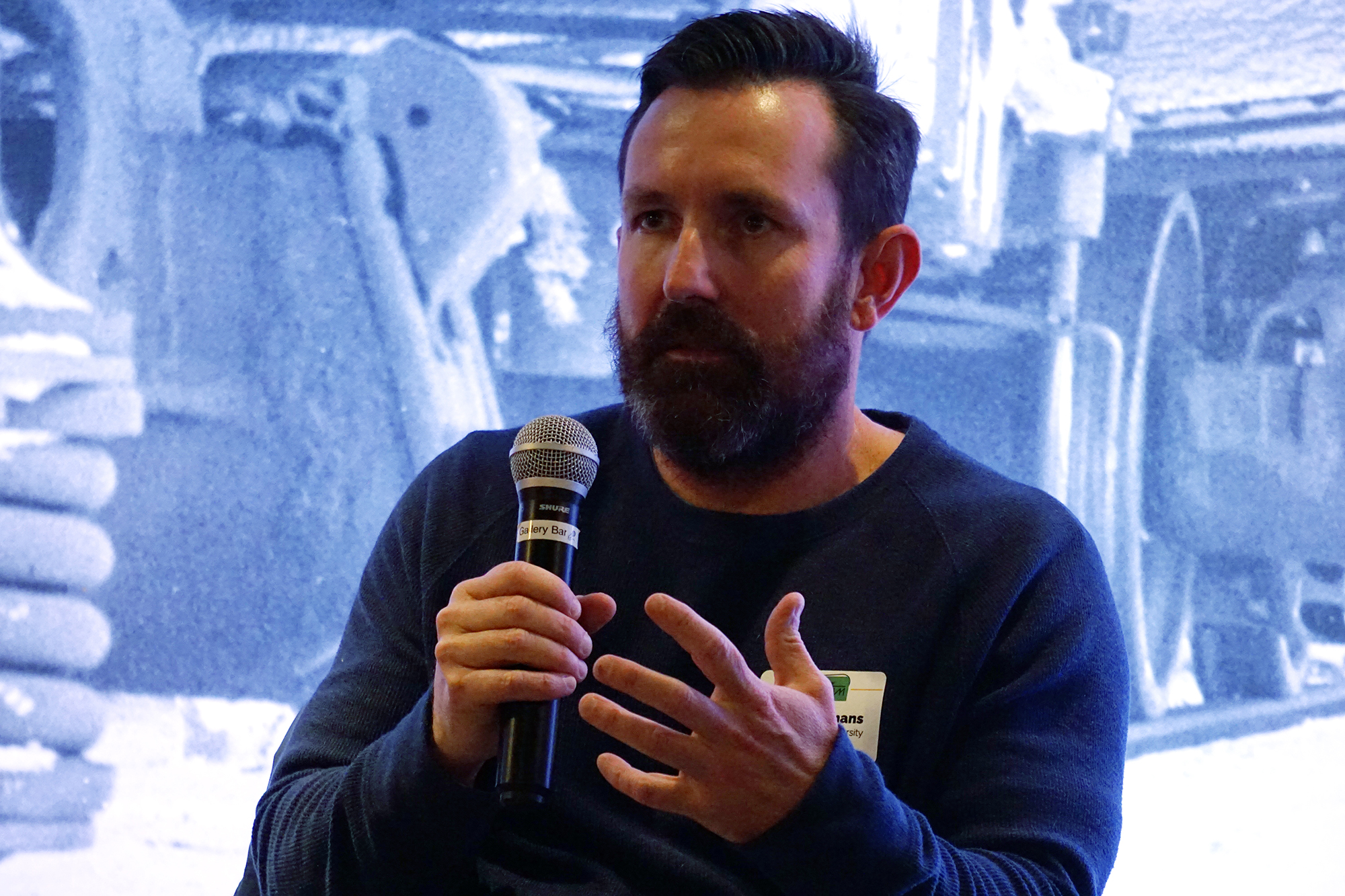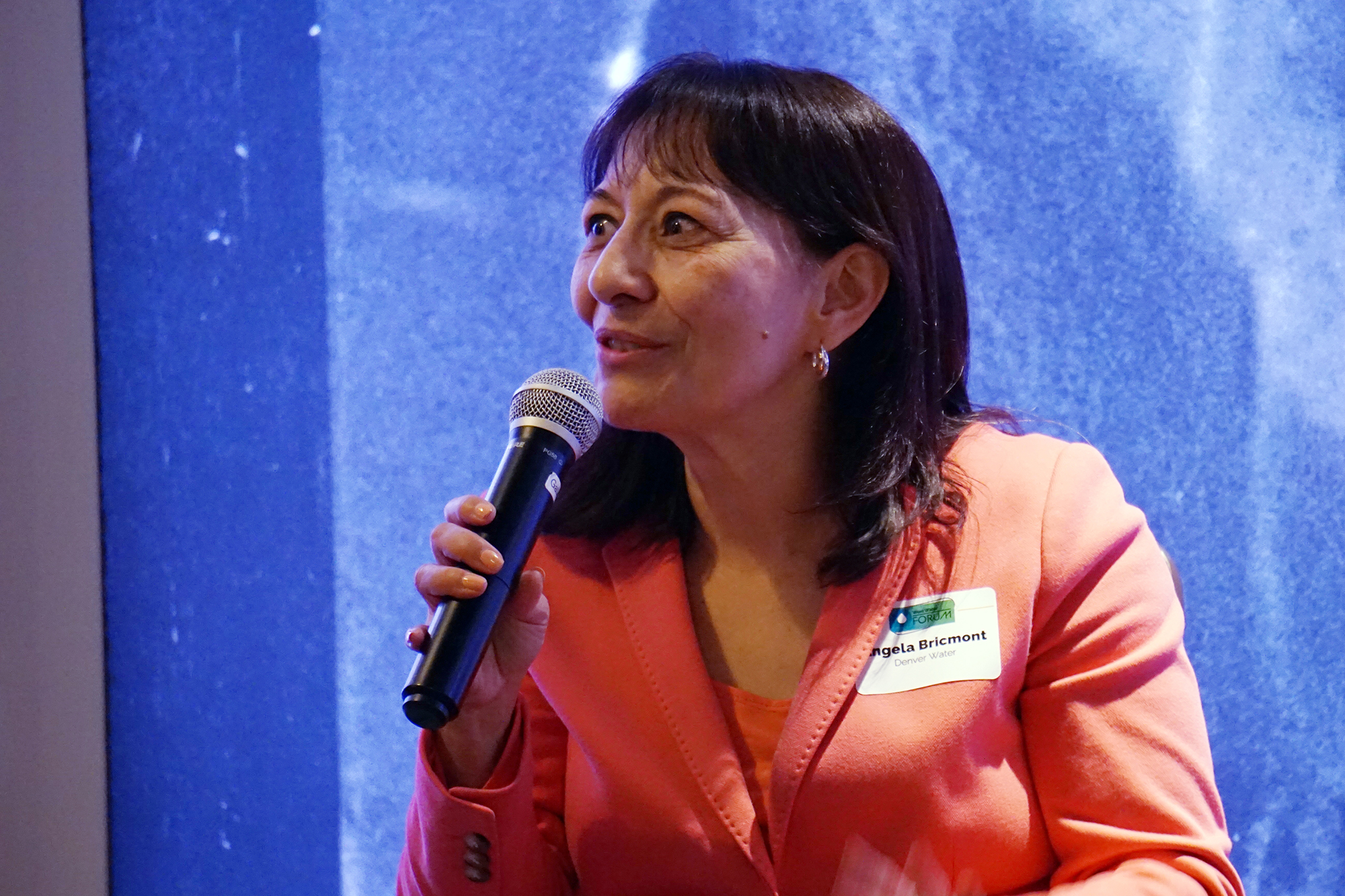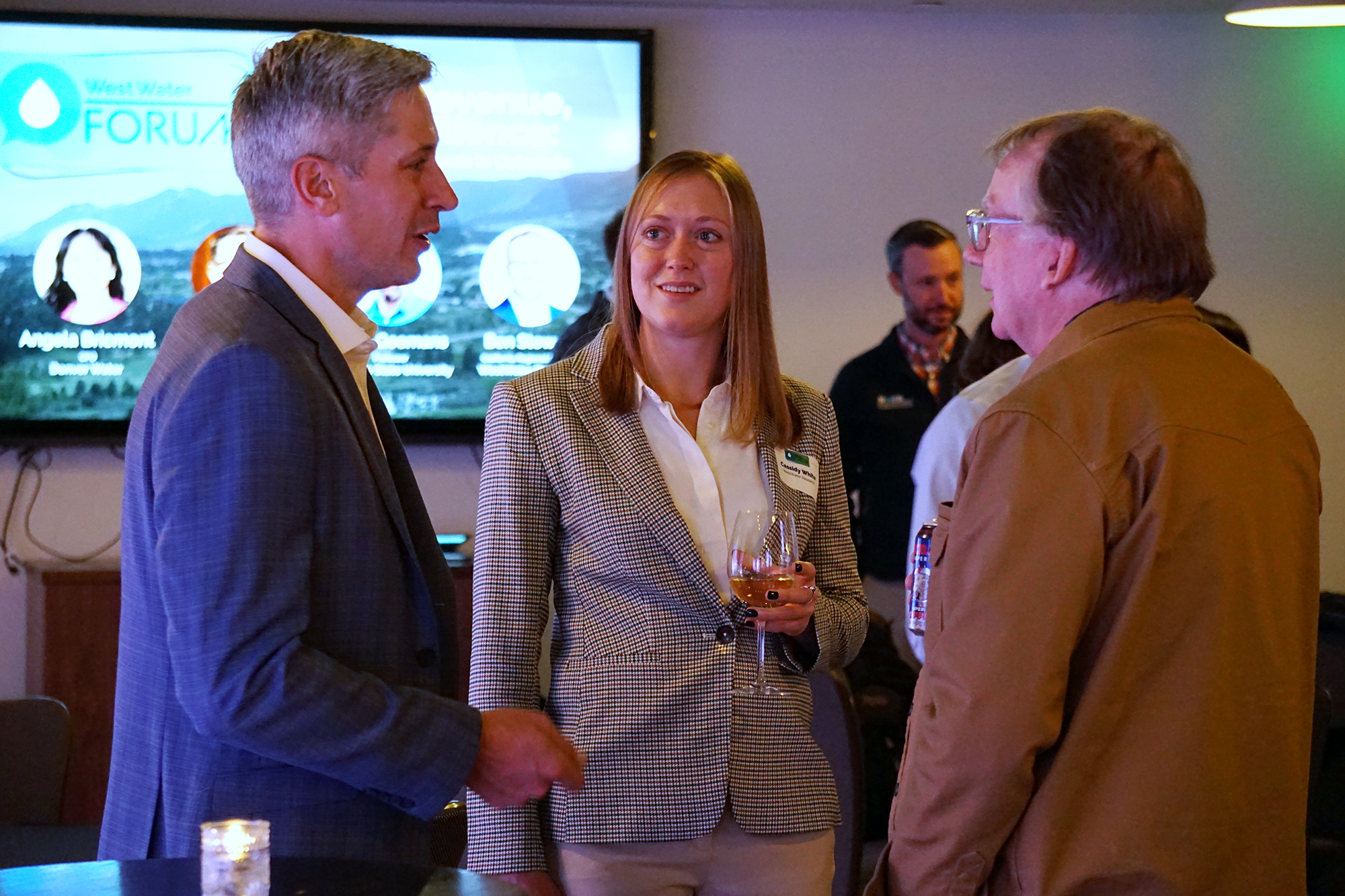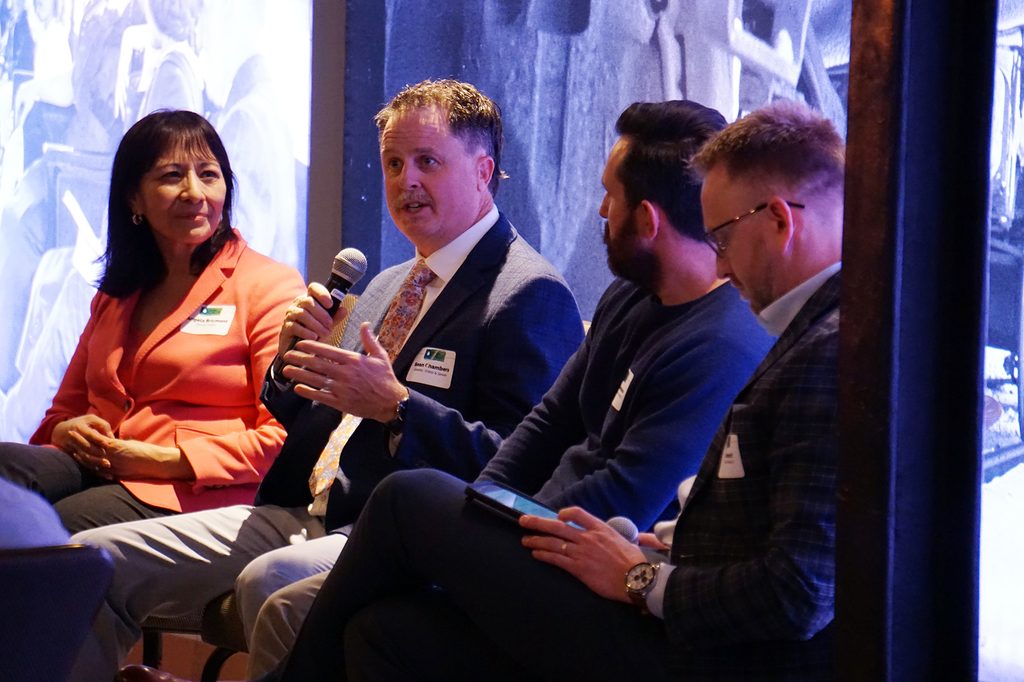

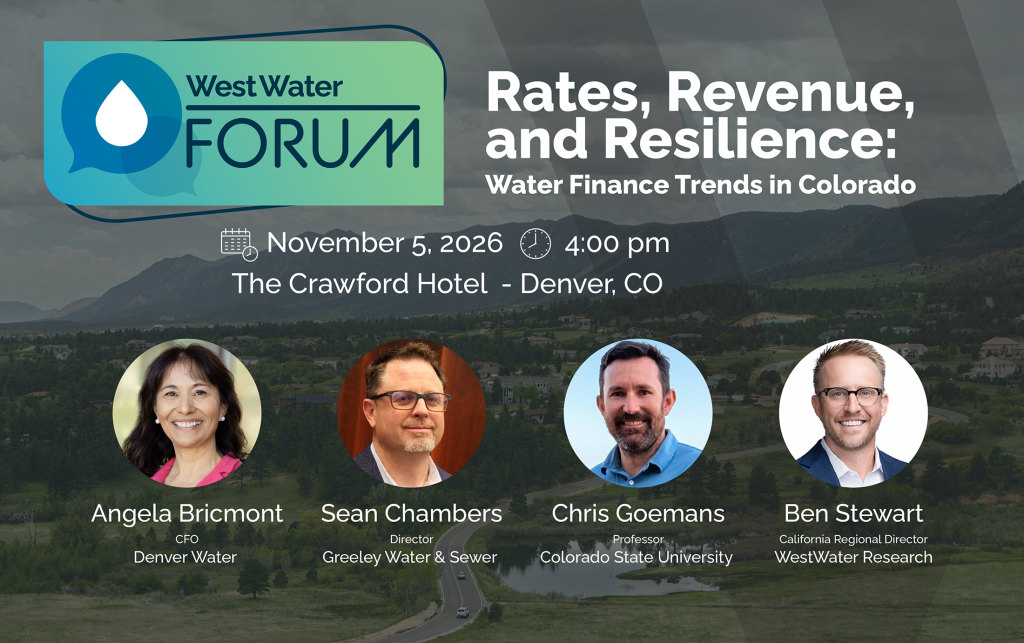
Last week’s WestWater Forum in Denver, moderated by Ben Stewart, Regional Director of WestWater’s California office, brought together utility and academic perspectives on drought response, customer response to price, and the tension between conservation and financial stability. The discussion was held under the Chatham House Rule, so the takeaways below are not attributed to individual speakers.
Plan for the Second Dry Year
Panelists stressed planning early and being prepared for not just one, but at least two dry years. Taking a multi-pronged approach was emphasized by restructuring rates ahead of worsening conditions by applying greater increases and drought surcharges to the upper tiers, and cutting budgets rather than relying on drought pricing alone to cover lost revenue. The lesson was to keep rate structures simple enough for customers to understand and aiming pricing signals at the levels of use where the greatest opportunities for conservation exist.
Ending drought pricing is harder than starting it. Drought is often followed by wildfire and then flooding, so one wet year does not mean the risk has passed. Customers also tend to assume a drought is over as soon as it rains, which makes sustained conservation harder.
Utilities with strong storage and multi-year drought plans are better positioned, though warm summers can still erode supply outlooks. In communities with close ties to agriculture, residents tend to have a strong sense of what water is worth. Communication was described as the most important part of any drought response, with the goal of protecting both supply and revenue.
What the Research Says About Price
Customers do respond to price. Research discussed on the panel puts the average price elasticity of residential water demand at around -0.6. That average masks a split. Indoor use is far less responsive, at roughly -0.2, while outdoor use is closer to -1.0. When prices rise, customers tend to respond by decreasing their outdoor water use before changing water use habits inside the home.
These figures vary by customer and level of use. The open question is where responsiveness goes next. Rising rates make price more visible, which could strengthen the response. But complex rate structures can confuse customers, and demand hardening, the concept of reaching maximum water efficiency, limits further savings.
Who Benefits from Conservation Programs?
Utility conservation portfolios include fixture rebates, education, turf removal incentives, and indoor efficiency guidance. Panelists agreed these programs need to grow as climate conditions change.
Not every program works as intended. A water waste reporting program generated thousands of calls after media coverage, but it also created friction between neighbors and confusion about the rules. The fix was more staff in the field educating customers directly.
Equity was a recurring concern. One customer analysis found that turf conversion rebates went mostly to higher-income households, effectively subsidizing wealthier residents’ landscape changes. Utilities are also working on the revenue side, including economic development and new industrial customers.
Affordability and the Limits of Efficiency
Affordability is a top challenge as water bills take a larger share of household income, compounded by the cost of replacing aging infrastructure. Some communities that cut use sharply have seen the effect last a decade or more, often through landscape conversions. Other customers are not converting. They are simply letting their landscapes go.
On demand hardening, panelists pointed to per-customer use that has held nearly flat for years. New homes sit on smaller lots with efficient fixtures, and there is a limit to how efficient a household can get. The current moment was described as an inflection point.
From the Audience
Utilities are behind in giving customers real-time insight into their use. Smart meters help by flagging leaks and waste. Customer engagement works best as a mix of carrots and sticks with communication at the center, though more tools also bring more complexity.
Renters who never see a water bill are a real gap. Price increases produce no response from them, and utilities often struggle to know whom to contact. Pilots with landlords to replace inefficient fixtures in rental properties benefit both owners and overall water use.
On reuse, recycled water is expected to play a major role in landscape irrigation, building on conversions of parks and public spaces while protecting tree canopy. One caution: if communities grow based on water saved through conservation, that water is not truly being saved.
The Bottom Line
Drought pricing, conservation, and revenue stability are tightly linked. Customers respond to price, especially outdoors, but that response may shrink as demand hardens and efficiency gains level off. Affordability pressures are growing, and conservation programs do not always reach the customers who need them most. Clear communication, simple rate structures, and attention to who bears the cost will matter more as utilities plan for the next dry year.
How WestWater Can Help
WestWater Research helps utilities, municipalities, and water districts plan supply for the next dry year, value water rights, develop equitable rate structures and sustainable financial strategies, and weigh the economic tradeoffs behind conservation and revenue decisions. Our services include municipal water planning, financial planning and rate studies, affordability analyses, economic and market analysis, socioeconomic analysis, and valuation, backed by Waterlitix™, the largest pricing database for western water transactions.
Thank you to our panelists Angela Bricmont, CFO, Denver Water, Sean Chambers, Director, Greeley Water & Sewer, and Chris Goemans, Professor, Dept. of Agricultural and Resource Economics, Colorado State University and everyone who joined us. Contact our team to discuss how drought and conservation planning affect your utility.
Denver WestWater Forum | Nov. 5, 2026